




The cost of hiring a private investigator is one of the first questions people ask — and one of the least clearly answered anywhere online. Numbers get thrown around with very little context, and the difference between a $100/hour job and a $400/hour job isn’t always explained.
At Armstrong Investigations, PLLC, we think transparency about pricing is part of doing the job right. What follows is a straightforward breakdown of how investigative work is priced in 2026, what drives costs up or down, and how to get real value from your investment — whether your case is in Dallas proper or anywhere across the surrounding North Texas counties.
1. The Standard Hourly Rate
Most investigative firms work on an hourly basis for active fieldwork — surveillance, interviews, canvassing, and related on-the-ground activity.
For general investigative work in the current market, rates in the Dallas-Fort Worth area typically fall between $100 and $150 per hour. That range covers most domestic and civil cases: standard surveillance assignments, basic witness locates, and routine fieldwork.
Cases requiring specialized technical expertise — digital forensics, vehicle telematics analysis, accident reconstruction — carry higher rates, often $150 to $400+ per hour, because the tools, certifications, and technical depth required are significantly more intensive.
2. How Retainers Work
Most professional investigative firms require an upfront retainer before work begins. Think of it as a pre-funded bank of hours that the investigator draws from as the case progresses. Any unused portion is returned when the case closes — and any reputable firm provides a transparent accounting of how those hours were spent.
General retainer ranges in 2026:
- Domestic or basic civil cases: $1,000 – $3,000
- Surveillance-intensive or complex cases: $3,000 – $5,000+
- Corporate investigations: $5,000 – $15,000+
Retainer size reflects case complexity and anticipated scope, not an arbitrary fee. Before any retainer is funded, a responsible firm walks through what’s realistic to accomplish within that budget.

3. Flat-Fee Services
Not every service is billed hourly. Tasks with a well-defined, predictable scope are frequently offered at a flat rate — which gives clients price certainty and eliminates open-ended billing exposure.
Common flat-fee services:
- Basic background checks: $200 – $500 (criminal history, address verification, public records)
- Comprehensive due diligence dossiers: $500 – $1,500+ (assets, civil litigation history, social media analysis)
- Skip tracing / person locates: $300 – $1,000
- Process service: $75 – $250 per attempt
If your need is specific and contained, ask directly whether a flat-fee arrangement is available for your situation.
4. Why Surveillance Has Minimum Hours
Surveillance is resource-intensive before a single minute of footage is captured. Vehicle positioning, pre-shift reconnaissance, and the logistics of sustained observation mean that effective fieldwork rarely happens inside a short window.
Most reputable firms apply a 4 to 6-hour minimum per surveillance session. This isn’t a billing convenience — it’s an operational reality. A two-hour surveillance window rarely produces usable results, because the timing of meaningful activity is unpredictable. Firms offering one-hour surveillance at a discounted rate are generally offering insufficient coverage.
5. What Falls Outside the Hourly Rate
The investigator’s time and the direct expenses of running the investigation are separate line items. When budgeting, account for the following:
- Mileage: Most firms bill at or near the standard IRS mileage rate. In a case that moves across Dallas, Fort Worth, Plano, Arlington, Frisco, or into surrounding counties, this adds up.
- Database access fees: Professional-grade databases used for skip tracing, records research, and background verification carry per-search fees that are typically passed through to the client.
- Direct out-of-pocket costs: Tolls, parking, and any fees incurred while maintaining surveillance or attending locations are billed as reimbursements.
6. Digital Forensics and Technical Work
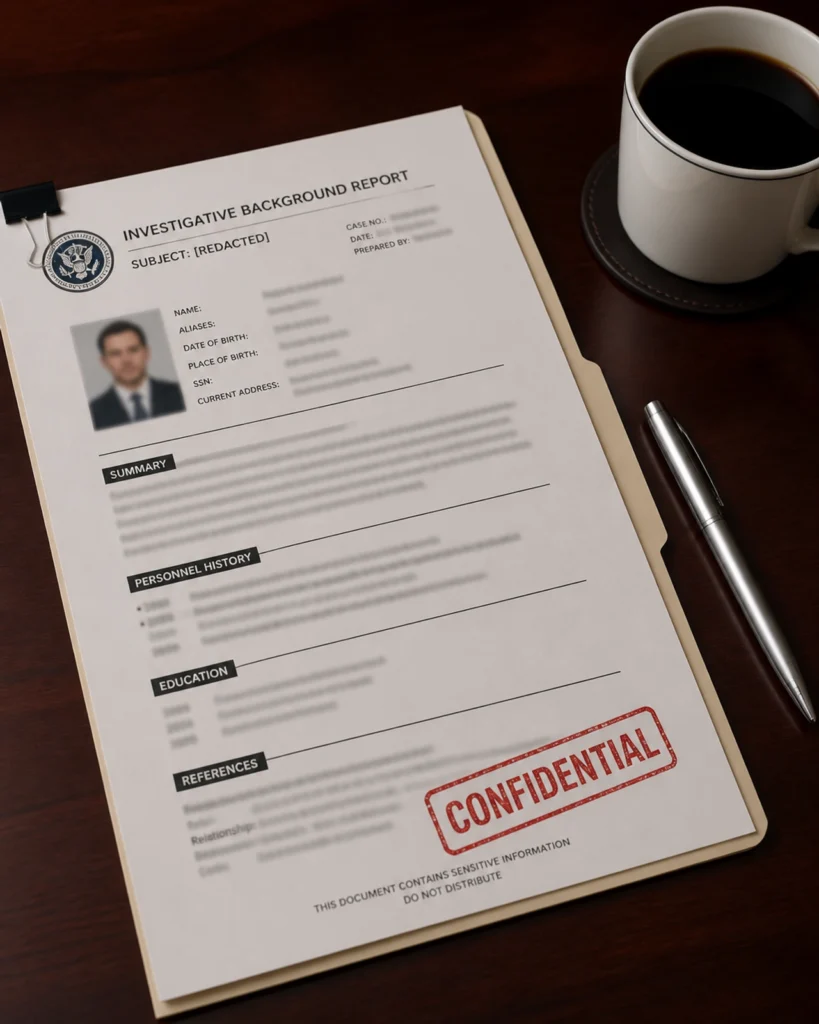
In 2026, a significant portion of investigative work happens in the digital domain. Recovering deleted data, analyzing device activity, tracing online behavior, and examining vehicle telematics are all services that require specialized hardware, licensed software, and certifications that carry significant annual costs.
When a case involves technical forensic work — either through our own capabilities or through our partnership with TCS Consulting — expect the billing to reflect the true cost of that depth. The alternative is hiring a firm without those capabilities, which often means the most valuable evidence in a case is never found.
7. Location Affects the Rate
Investigative rates follow general cost-of-market patterns. Urban metro areas with dense legal and corporate activity tend to price at the higher end of regional ranges. Within the DFW Metroplex, cases centered in dense urban areas versus outlying counties may reflect that distinction in logistics and time costs.
For clients whose cases require an investigator to travel to another city or state, the out-of-market costs — lodging, air travel, increased hourly billing — should be discussed and scoped upfront.
8. Urgency and Last-Minute Requests
An investigator who drops existing commitments to respond to a same-day or overnight request is providing a premium service. Rush situations — weekend deployments, holiday requests, emergency surveillance — typically carry a rate increase, often 1.25x to 1.5x the standard rate.
The simplest way to manage this cost is lead time. A week’s notice allows for efficient scheduling. Twelve hours’ notice rarely does.
9. Two-Investigator Operations
Some surveillance assignments are better served by a two-person team — evasive subjects, locations with multiple exits, or cases where a single investigator losing a subject would waste an entire day’s budget. Two investigators means double the hourly rate, but it also substantially increases the probability that the session produces something usable.
In practice, a successful two-person surveillance session often costs less than two or three failed single-investigator sessions attempting the same goal.
10. How to Get More Value From Every Hour
The single most effective cost-control measure available to a client is the quality of the information provided at the start of an engagement. Investigators work more efficiently with:
- Accurate, current photos of the subject and their vehicle
- Known schedules, routines, or likely locations
- A clearly defined objective (what does success look like?)
- Any prior knowledge about the subject’s awareness of being watched
A case brief that answers these questions typically reduces billable hours meaningfully. If the only goal is to confirm a subject is at a specific location, defining that clearly up front means the investigation stops the moment that goal is met.
The Real Investment
Hiring a private investigator is an investment in accurate information — and in many cases, it’s an investment in the strength of a legal or personal decision that carries significant consequences. The cost of a well-executed investigation that produces admissible evidence is almost always lower than the cost of proceeding without it.
At Armstrong Investigations, PLLC, we discuss scope, strategy, and realistic cost expectations before any retainer is funded. If you are weighing whether a professional investigation fits your situation, we are glad to have that conversation.

Armstrong Investigations, PLLC
214-851-3800 | armstronginvestigations.com
Texas DPS Lic. #: 166353101 | Affiliated with TCS Consulting (TX DPS Lic. #: C20493)